
Frequently Asked Questions
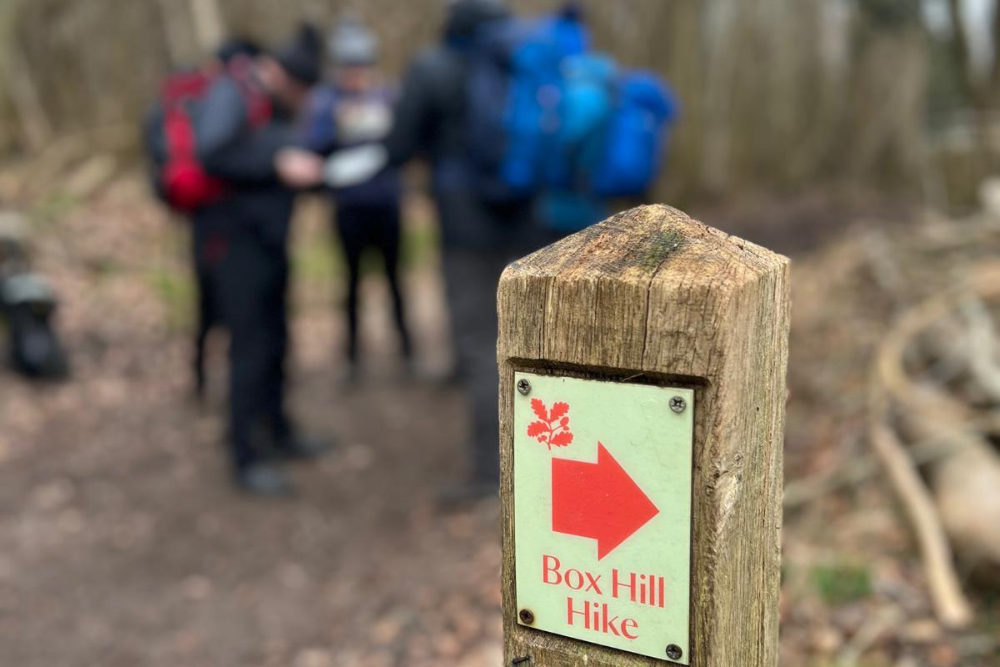

We want every participant to feel confident and prepared before taking part in a School of Outdoors programme.
Below you’ll find answers to frequently asked questions about our courses, safety standards, equipment, and booking process.
DofE
All you need to know about the Duke of Edinburgh’s Award Expedition section
Outdoor Qualifications
Find answers about the qualifications we offer
Alternative Provision
Understand further our Alternative Provision offer
DofE FAQs
Who will be looking after my child during the expedition?
Your child will be supervised by highly trained and qualified School of Outdoors instructors. All instructors hold nationally recognised leadership qualifications relevant to the terrain, enhanced DBS checks, and current first aid qualifications. A Course Director oversees the entire event and safety management.
How experienced is School of Outdoors?
School of Outdoors has over 40 years of expedition and event management experience in both lowland and mountainous environments in the UK and overseas, and is an Approved Activity Provider for the Duke of Edinburgh’s Award.
How will my child be supervised during the expedition?
During practice and qualifying expeditions, teams are remotely supervised to allow independence while maintaining safety. Instructors move between direct, close, and remote supervision depending on the stage of training and risk management plan.
Will my child be tracked during the expedition?
Yes. Electronic tracking devices are used as part of the overall supervision plan. Tracking information is shared only with the Course Director, instructors, and school staff to ensure participant safety.
What level of fitness does my child need?
A reasonable level of everyday fitness is required. Regular walking, school sport, or daily activity will help your child enjoy the experience. Training walks and practice expeditions help participants build confidence and understand their limits.
What happens overnight on camp?
Instructors provide overnight pastoral supervision following an agreed supervision plan. Typical curfews are 9:00pm for returning to tents and 10:00pm for quiet time, in line with campsite rules.
What if my child becomes ill or injured?
All instructors are first aid trained and carry comprehensive medical kits. Parents will be kept informed, and if necessary, you may be asked to collect your child. Support is available at all times via the School of Outdoors on-call team.
How can I contact my child in an emergency?
Parents should call School of Outdoors’ 24/7 emergency number (01296 336644). The team will contact the Course Director, who can relay messages or arrange communication if needed.
Will my child have their mobile phone?
To encourage teamwork and independence, only one mobile phone per team is permitted for emergency use. Direct contact with home is discouraged, and misuse of phones may result in removal from the event.
What equipment does School of Outdoors provide?
School of Outdoors supplies all essential group equipment, including tents, cookers, maps, compasses, first aid kits, trackers, and water pumps. Replacement costs apply if equipment is lost or damaged.
Can equipment be hired?
Yes. Rucksacks can be hired for £15 per programme. Hired rucksacks are delivered to the event start location and must be returned at the end. Booking is completed via the parental consent link.
What happens if timings change or I’m late collecting my child?
Due to navigation and outdoor conditions, finish times may vary. Parents will be informed if delays occur. A late collection fee of £10 per 15 minutes applies if you are more than 15 minutes late.
Outdoor Qualifications
Who is the Lowland Leader qualification for?
The Lowland Leader qualification is designed for people who want to lead groups on day walks in low-level countryside and woodland in the UK and Ireland, such as youth workers, teachers, volunteers, outdoor leaders, or those supporting groups to walk safely and confidently.
What terrain does the Lowland Leader qualification cover?
The qualification covers low-level countryside and woodland where routes follow clear paths or tracks, river crossings use bridges or recognised crossing points, and groups remain close to access points. It does not cover open hillside, mountainous terrain, hazardous ground, or winter conditions.
What experience do I need before attending the Lowland Leader training?
You must be at least 17 years old, registered with Mountain Training, and have either:
- Evidence of 10 varied low-level walks, or
- Completed a recognised personal skills course such as Hill Skills.
How long is the Lowland Leader training course?
Lowland Leader training is delivered over a minimum of 2 days (16 hours). It focuses on leadership, planning, navigation, safety, group management, and teaching skills rather than assessment.
Do I have to do the Lowland Leader training before assessment?
Yes, unless you are granted an exemption. Candidates who have already completed Mountain Leader or Hill and Moorland Leader training may progress straight to assessment. Others with substantial relevant experience may apply for exemption, but there is no exemption from assessment.
How much experience do I need before the Lowland Leader assessment?
Before assessment you must have:
- A logbook with 20 quality low-level walks (or 10 plus a Hill Skills course)
- A current first aid certificate (minimum 16 hours, in-person, assessed)
Most candidates benefit from allowing at least six months between training and assessment to consolidate skills.
What happens during the Lowland Leader assessment?
Assessment runs over a minimum of 2 days (16 hours) and looks at your ability to:
- Lead and manage a group
- Plan and adapt routes
- Navigate accurately (including poor visibility)
- Manage hazards and emergencies
- Demonstrate appropriate leadership and decision-making
Outcomes are Pass, Defer, or Fail.
What equipment do I need for the Lowland Leader course?
You’ll need suitable personal walking equipment for lowland conditions, including clothing for wet and windy weather, a rucksack, food and drink, and basic navigation tools. Full kit lists are provided before the course, and assessors expect sensible, appropriate choices rather than expensive gear.
What can I do once I’m a qualified Lowland Leader?
Once qualified, you can independently lead groups on lowland day walks within the scope of the award. Many leaders use the qualification for work with schools, youth groups, charities, or community organisations, and it also provides a strong foundation for progressing to Hill and Moorland Leader or Mountain Leader.
Who is this Outdoor First Aid course designed for?
This course is designed for anyone working or volunteering in outdoor, remote, or adventurous environments where emergency help may be delayed. This includes outdoor instructors, expedition leaders, teachers, youth workers, DofE leaders, and activity professionals.
How is Outdoor First Aid different from standard First Aid at Work?
Outdoor First Aid focuses on managing casualties when help may be up to two hours away and covers environmental factors such as cold, heat, terrain, weather, and remoteness. It goes beyond workplace first aid by addressing realistic outdoor scenarios and prolonged casualty care.
Is this First Aid qualification nationally recognised?
Yes. The QNUK Level 3 Award in Outdoor First Aid (RQF) is regulated by Ofqual and meets the requirements for Emergency First Aid at Work, as well as outdoor industry and National Governing Body (NGB) requirements.
How long does this First Aid course take?
The course is delivered over a minimum of two days (16 guided learning hours). Learners must complete the qualification within 7 weeks, although most candidates complete it across a single 2-day course.
What will I learn on this First Aid course?
You will learn how to manage a wide range of injuries and medical emergencies in outdoor settings, including CPR and AED use, bleeding control, hypothermia, fractures, spinal injuries, anaphylaxis, asthma, diabetic emergencies, and casualty assessment in challenging environments.
How is this First Aid course assessed?
Assessment is made up of:
- A 60-minute multiple-choice exam (pass mark 70%)
- Observed practical assessments, which must be completed to a pass standard
Both theory and practical competence are required to achieve the qualification.
Do I need any previous first aid experience?
No previous first aid qualification is required. Learners must be at least 14 years old, have a reasonable level of English, and be physically able to perform practical tasks such as CPR on the floor.
Does this First Aid course include outdoor, hands-on training?
Yes. A portion of the course is delivered and assessed outdoors, using realistic scenarios and environmental challenges. Some providers may choose to deliver the full course outside, weather and location permitting.
How long is the First Aid qualification valid for?
The qualification is valid for three years. After this period, learners are required to complete a requalification course to remain current and compliant.
What can I progress onto after this First Aid qualification?
After completing this course, learners may progress to:
- QNUK Level 3 First Person on the Scene
- QNUK Level 3 Rescue Trauma and Casualty Care
This course also supports ongoing professional development for outdoor leaders and instructors.
Alternative Provision
Who is the Reimagine Programme designed for?
Reimagine is designed for children and young people who are struggling to engage with education, including those experiencing anxiety, school refusal, disengagement, exclusion, or the impact of trauma. It provides a personalised pathway to help them feel safe enough to re-engage with learning.
What makes Reimagine different from traditional alternative provision?
Reimagine is relationship-led and trauma-informed, prioritising emotional safety and trust before academic outcomes. Learning is personalised, flexible, and delivered through meaningful experiences rather than rigid classroom structures. Progression is based on readiness, not time.
What does learning look like on the Reimagine Programme?
Learning may be practical, creative, sensory, vocational, reflective, community-based, or outdoors. Literacy and numeracy are introduced when the young person is ready and always linked to their interests and real-world experiences.
How is the programme structured?
Reimagine follows a five-stage developmental journey: Discover, Explore, Deepen, Broaden, and Thrive. Each stage reflects emotional readiness and confidence rather than age or time spent on the programme.
How long does a young person stay on Reimagine?
There is no fixed timeframe. Young people move forward when they are ready, ensuring progress is sustainable rather than rushed. Some may attend short-term; others may require longer support.
How does Reimagine support emotional wellbeing?
All sessions are shaped by Trauma-Informed Practice and the PACE approach (Playfulness, Acceptance, Curiosity, Empathy). This helps young people regulate emotions, rebuild trust, and feel safe enough to engage in learning.
How do you ensure safeguarding?
Safeguarding is central to Reimagine. All staff are trained in safeguarding and trauma-informed practice, with a Designated Safeguarding Lead and Deputy DSL in place, operating within clear safeguarding policies and procedures.
Do you work with schools, families, and local authorities?
Yes. Reimagine works collaboratively with families, schools, and local authorities to ensure placements meet each young person’s needs and support longer-term outcomes.
What outcomes does Reimagine aim to achieve?
Outcomes include improved confidence, emotional regulation, communication, independence, and readiness for learning. For some, this may mean reintegration into school; for others, transition to specialist provision, training, or another pathway.
What can Reimagine lead on to?
Reimagine often forms the foundation for progression into the Work Ready Programme or other vocational, educational, or specialist pathways once a young person is emotionally ready.
Your Title Goes Here
Your content goes here. Edit or remove this text inline or in the module Content settings. You can also style every aspect of this content in the module Design settings and even apply custom CSS to this text in the module Advanced settings.
Your Title Goes Here
Your content goes here. Edit or remove this text inline or in the module Content settings. You can also style every aspect of this content in the module Design settings and even apply custom CSS to this text in the module Advanced settings.
Your Title Goes Here
Your content goes here. Edit or remove this text inline or in the module Content settings. You can also style every aspect of this content in the module Design settings and even apply custom CSS to this text in the module Advanced settings.
Your Title Goes Here
Your content goes here. Edit or remove this text inline or in the module Content settings. You can also style every aspect of this content in the module Design settings and even apply custom CSS to this text in the module Advanced settings.
Your Title Goes Here
Your content goes here. Edit or remove this text inline or in the module Content settings. You can also style every aspect of this content in the module Design settings and even apply custom CSS to this text in the module Advanced settings.
Your Title Goes Here
Your content goes here. Edit or remove this text inline or in the module Content settings. You can also style every aspect of this content in the module Design settings and even apply custom CSS to this text in the module Advanced settings.
Your Title Goes Here
Your content goes here. Edit or remove this text inline or in the module Content settings. You can also style every aspect of this content in the module Design settings and even apply custom CSS to this text in the module Advanced settings.
Your Title Goes Here
Your content goes here. Edit or remove this text inline or in the module Content settings. You can also style every aspect of this content in the module Design settings and even apply custom CSS to this text in the module Advanced settings.
Your Title Goes Here
Your content goes here. Edit or remove this text inline or in the module Content settings. You can also style every aspect of this content in the module Design settings and even apply custom CSS to this text in the module Advanced settings.
Your Title Goes Here
Your content goes here. Edit or remove this text inline or in the module Content settings. You can also style every aspect of this content in the module Design settings and even apply custom CSS to this text in the module Advanced settings.

I feel like I can be myself here. I don’t feel judged, and I’ve learned how to work with others and try new things
How to Apply
Please contact us at:
Email: info@schoolofoutdoors.uk
Phone: 01296 33 66 44
Let us help your students achieve their Bronze DofE Award with a memorable and impactful outdoor experience!

Contact us
For general inquiries or information, send us an email at:
For immediate assistance or to speak directly with a member of our team, give us a call at:
01296 33 66 44
Monday to Friday, 9:00 AM – 5:00 PM